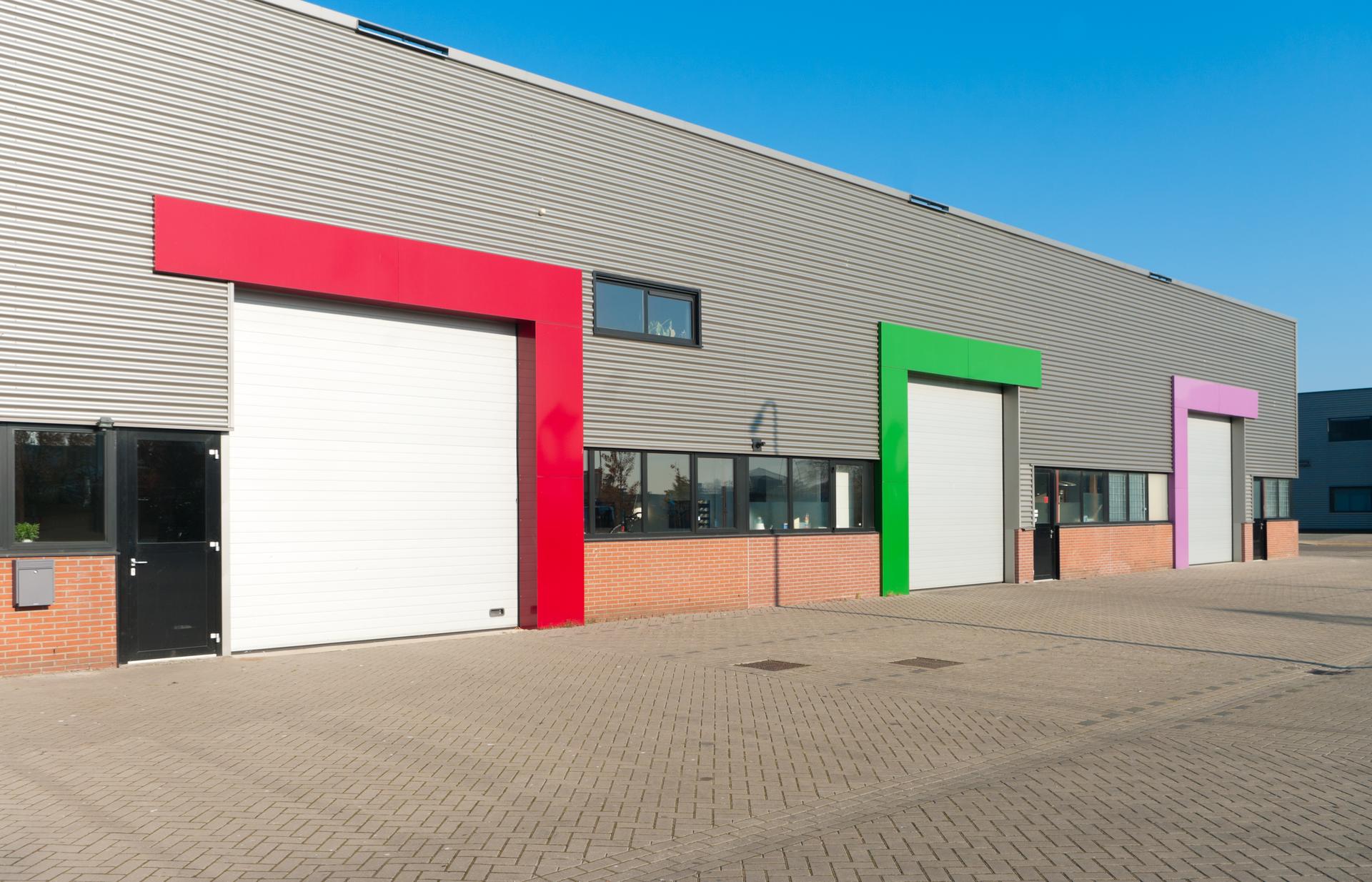
Commercial Overhead Doors | Harmon Overhead Door
Commercial facilities rely on overhead doors far more than most people realize. Whether a business runs a busy loading dock or a customer-facing service bay, the overhead door is one of the hardest-working parts of the building. Choosing the right type means understanding what the door needs to do and what conditions it will regularly face. Get that right, and the door becomes an asset rather than a recurring maintenance headache.
High-Cycle Doors for Heavy Use
Some businesses put their overhead doors through a punishing number of cycles every single day. Standard commercial doors are not built for that kind of demand, which is why high-cycle doors exist as a category of their own.
What Sets Them Apart
High-cycle doors are engineered specifically to handle far more open-and-close cycles before components begin to wear. Any facility where door movement is essentially constant throughout the workday is a good candidate for this type. The springs and hardware are built to a higher standard of durability than what you find in a typical commercial door, which is what makes the difference over time.
The Business Case for Durability
When a door goes down unexpectedly, operations slow down fast. Work gets backed up, and the cost of an emergency repair call is often considerably higher than scheduled maintenance would have been. High-cycle doors reduce how often that scenario plays out, which makes them a sound investment for businesses that cannot afford unplanned downtime.
Rolling Steel Doors for Security
For industrial facilities that put security first, rolling steel doors are among the most dependable options available. They are built for strength, and their design keeps operation simple even in demanding environments.
Construction and Strength
Rolling steel doors are made from interlocking steel slats that coil above the opening when raised. Because there are no outward-swinging panels or tracks that extend deep into the interior space, they work well even in facilities where space is at a premium.
The steel construction makes forced entry significantly more difficult compared to lighter-duty alternatives.
A Good Fit for Industrial Settings
Rolling steel doors are common wherever performance takes priority over appearance. Auto shops and self-storage operations are common settings where this door type holds up well, and high-traffic loading bays are another natural fit. They are also available in fire-rated versions for facilities that require that level of compliance, which adds practical value beyond basic security.
Sectional Overhead Doors for Versatility
Not every commercial space has the same priorities, and sectional overhead doors are built with that flexibility in mind. They are one of the most widely used door types in commercial settings precisely because they can be configured for such a range of applications.
Insulation and Climate Control
Sectional doors can be fitted with insulated panels, which is a meaningful feature for any business that needs to maintain interior temperatures. A well-insulated door prevents conditioned air from escaping freely, which has a direct effect on energy costs over time.
Service-oriented facilities and climate-sensitive operations both benefit from this kind of thermal performance without needing any additional equipment to achieve it.
Style and Functionality Together
Beyond the practical side, sectional overhead doors come in a range of finishes and panel designs. For customer-facing businesses, a door that looks professional contributes to the overall impression a facility makes. A professional door installation service ensures the door is properly aligned from day one, which matters both for appearance and for how the door holds up over the long run.
Weather-Resistant Solutions for Commercial Facilities
Commercial overhead doors face outdoor conditions every single day, and the local climate plays a bigger role in door selection than many businesses initially consider.
Humidity and temperature swings affect how materials expand and contract over time. In coastal areas, salt air accelerates corrosion in ways that standard steel simply is not designed to handle. Aluminum and galvanized steel options exist specifically for those environments, offering meaningful protection where standard materials would wear down prematurely. For facilities in regions with high wind exposure, doors rated for wind load provide the added assurance that the door will hold firm under pressure rather than becoming a liability during a storm.
Getting the right door for your specific climate is one of the more straightforward ways to avoid costly repairs down the road.
Professional Installation and Ongoing Support
Even a well-chosen commercial overhead door will underperform if the installation is not done correctly. Spring tension and opener compatibility are two areas where small errors during installation create bigger problems later. Working with experienced technicians from the start reduces the likelihood of those issues showing up at an inconvenient time.
Ongoing support matters just as much. Springs wear out, and openers occasionally need recalibration or adjustment. Having a reliable service relationship with a team that already knows your equipment means faster turnaround when something does need attention.
For businesses that depend on consistent door performance, that kind of support is not a luxury. It is a practical part of protecting equipment that gets used every day.
Conclusion
Commercial overhead doors come in a range of types because commercial facilities come in a range of sizes and operational demands. Each door type solves a different problem, and the right fit depends on how your facility actually runs. Pairing the right door with professional installation and ongoing service is what turns a basic building component into something that works reliably for years. Reach out to our team today to find the right commercial overhead door solution for your facility.
Frequently Asked Questions
What is the difference between a commercial and residential overhead door?
Commercial doors are built for far greater frequency of use and heavier operational demands. The materials and hardware are rated to a higher standard, which is what allows them to hold up where a residential door would not.
How do I know when it is time to replace a commercial overhead door?
Slow operation and visible structural wear that keep recurring are all worth paying attention to. A technician can assess whether continued repairs make financial sense or whether replacement is the better option.
Are insulated commercial doors worth the extra cost?
For facilities where interior temperature matters, insulated doors tend to pay for themselves over time through lower energy costs.
How long does a commercial overhead door installation take?
Most installations are completed within a single day, though the timeline can vary based on door type and site conditions.
What should I look for in a commercial door service provider?
Hands-on experience with commercial equipment and the ability to respond quickly when something goes wrong are both worth prioritizing. A provider that handles both installation and ongoing service tends to offer more consistent results over time.